Zula Ventilation
full-run performance
What we ran, what the numbers say in plain english, and what to do next.
People love the ads.
Out of everyone who saw the ads, 9.3% clicked — about 6× more than a typical online store gets. And each click cost just 33¢. For $771, the ads brought 2,339 visitors from 16,700 people. Getting people interested and onto the website was never the problem — that part worked great.
Four weeks of work
Set things up, launched, tested a bunch of ads, then rebuilt everything based on what worked.
Setup
Set up the ad account and tracking, mapped out the offer and who to target, and planned the first round of ads — all before spending a cent.
Launch
Ads went live at $30 a day. Right away they pulled clicks for as little as 19¢, with 1 in 10 people clicking — cheap, interested visitors from day one.
Testing ads
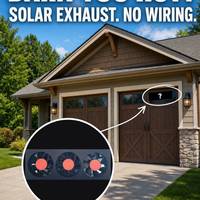
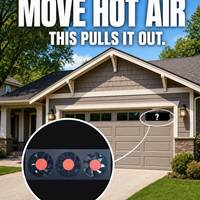
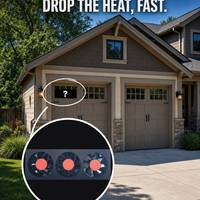
Built and tested 12 different ads across different angles — the heat, the summer, the savings — to learn which messages people respond to.
Rebuild
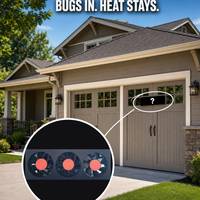
Studied the results, then built 20 brand-new ads from scratch and rebuilt the account around the ones working best.
Everyone shows up — almost nobody buys
Almost everyone who clicked landed on the site and looked at the product. Then it falls off a cliff: barely anyone adds it to the cart, and nobody buys. The problem is after they arrive.
Bottom line: the ads are doing their job — bringing in cheap, interested visitors. What's missing is the reason to actually buy: the offer, the price, and the pitch on the page. That's about the product and the deal — not the ads.
113 ads, week by week
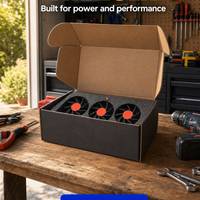
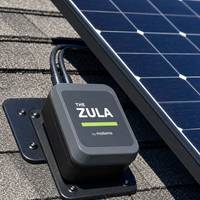
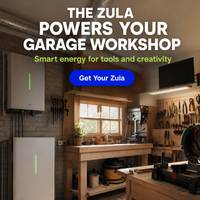
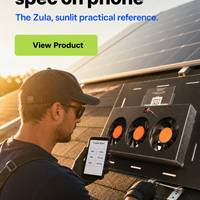
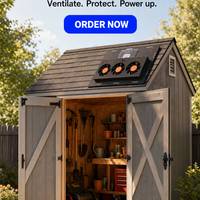
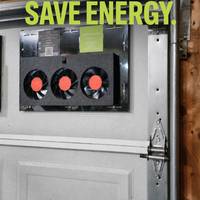
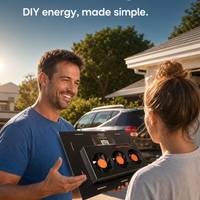
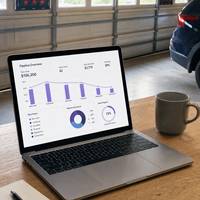
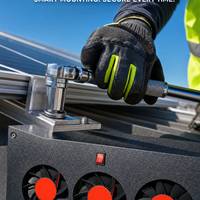
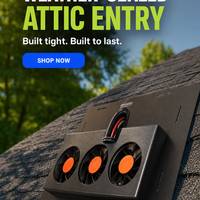
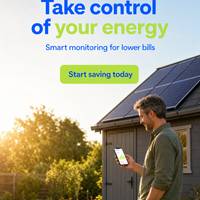
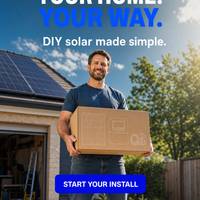
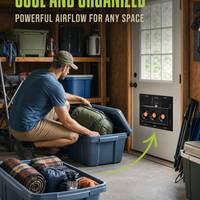
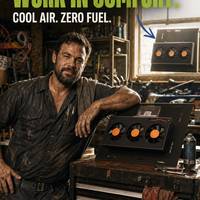
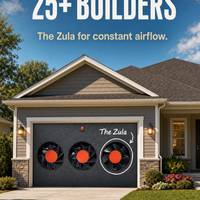
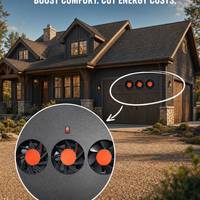
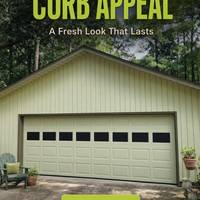
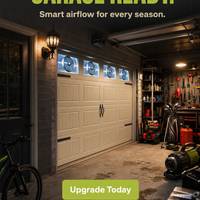
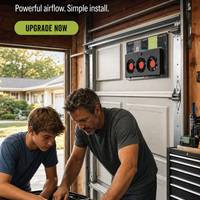
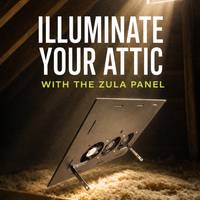
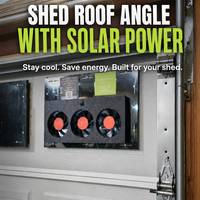
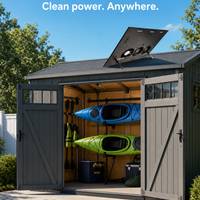
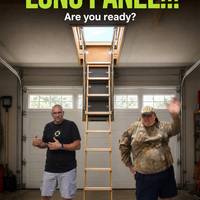
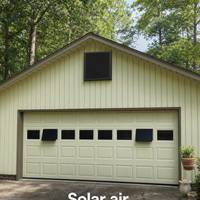
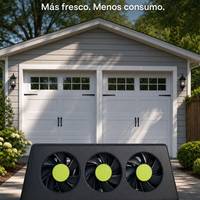
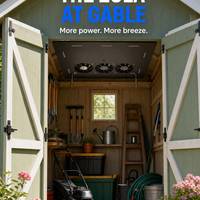
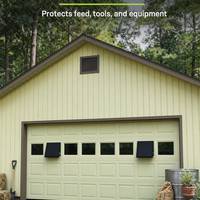
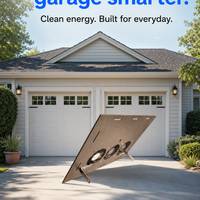
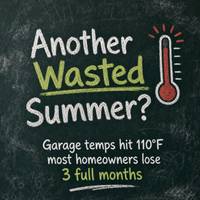
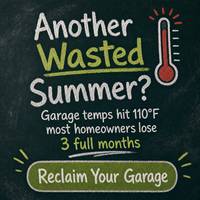
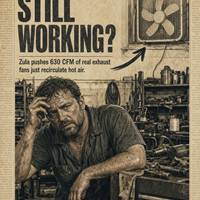
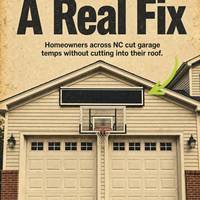
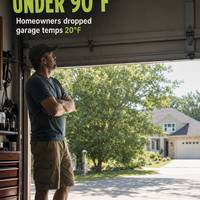
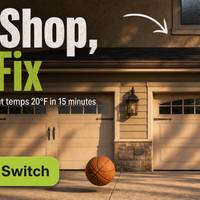
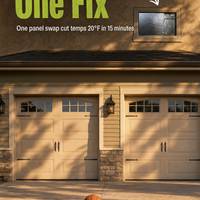
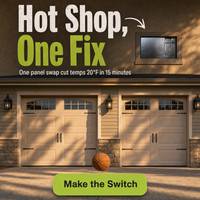
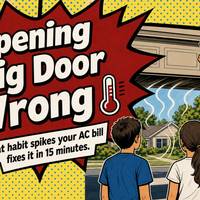
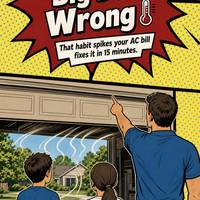
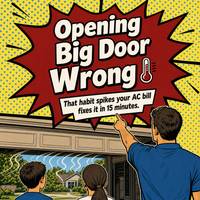
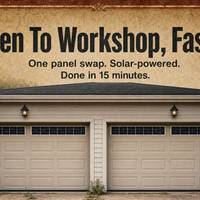
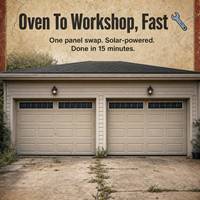
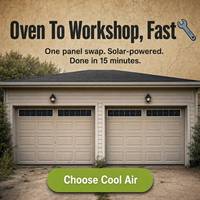
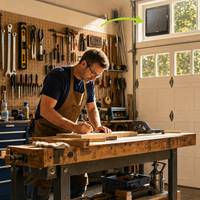
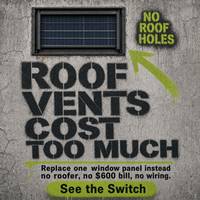
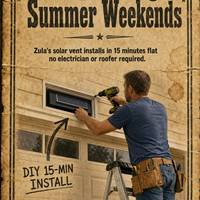
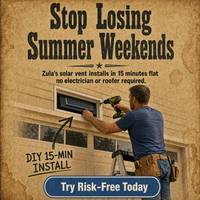
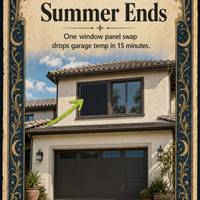
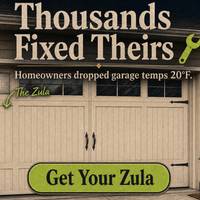
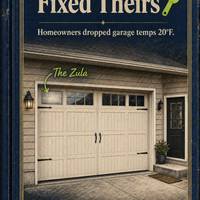
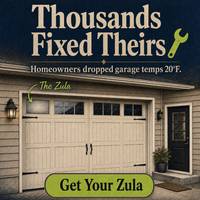
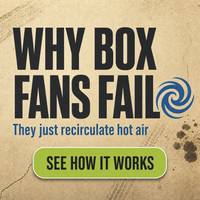
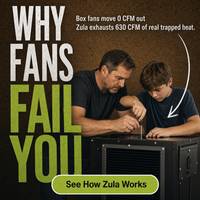
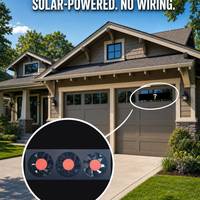
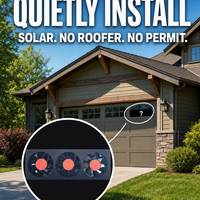
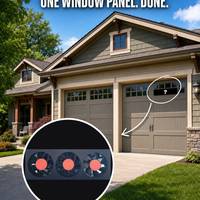
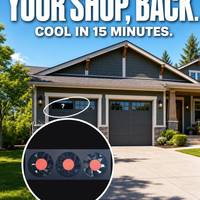
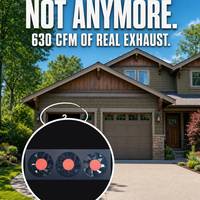
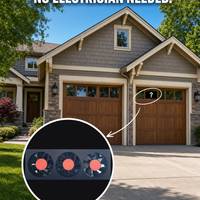
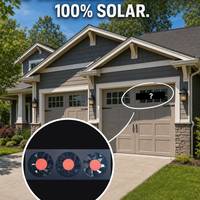
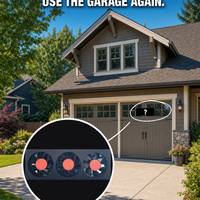
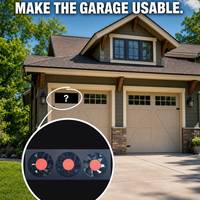
Every ad and concept designed across the four weeks — far too many to show full size. This is the work behind the numbers.
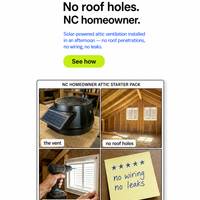
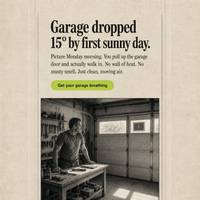
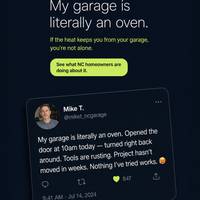
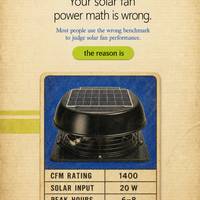






























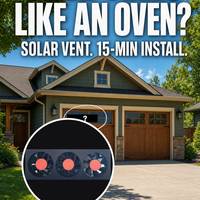
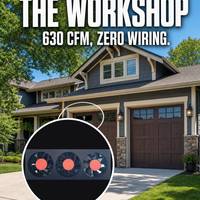
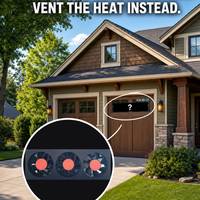
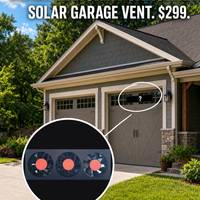
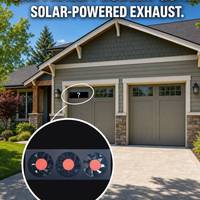
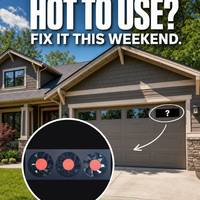
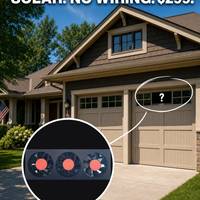
Three simple takeaways
Straight from the numbers — what's working, and what isn't yet.
Getting attention is cheap
The ads reached 16,700 people and brought visitors for 33¢ each. The hard, expensive part of advertising is already solved.
People look, but don't buy
Over 1,180 people looked at the product and almost none added it to the cart. The thing to fix is the offer and the price — not the ads.
Curiosity gets the click
The new question-mark ads grab attention easily. The next job is giving people a real reason to buy.
Hire a sales rep
This product needs a person to explain it and close the sale — people are clearly interested but won't buy on their own. Someone whose whole job is talking to people and selling will move the needle more than anything else here.
Put a phone number on the website
Let interested people call and talk to a real person. A clear phone number — and calling them back fast — turns a curious visitor into a real conversation, which a $299 product needs before someone commits.
Do in-person demos
Let people book a time, then go show them the Zula actually running — the unit, the install, the whole setup. It's a physical product; seeing it work in real life sells it far better than any ad can.
Meet buyers where they gather
There's no way to call the people who clicked the ads — they're anonymous. So go where your buyers actually are: home & garden shows, county fairs, and garage, workshop & homesteading groups. Bring a demo unit, show it live, and talk to real people face to face. You're already on this — lean in and make it the core of the sales motion.